A diverse group of parents listen to a mental health professional's classroom presentation.
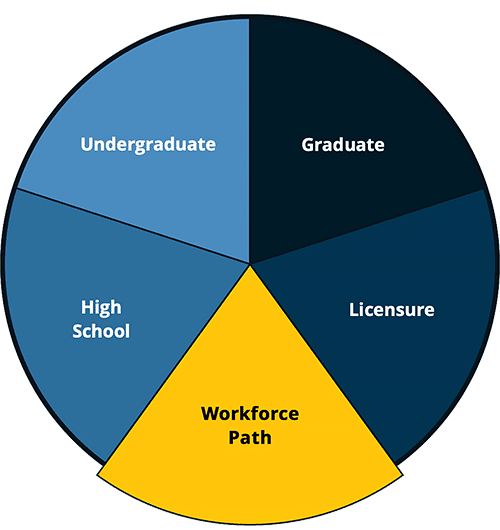
Workforce Path Wedge

Workforce Path

Your lived experience can be a valuable asset in the mental and behavioral health field. Many careers, including Medi-Cal Peer Support Specialist and Community Health Worker roles, recognize personal experience with mental health, substance use, recovery, or community challenges as a strength. Previous work experience and volunteering are also valuable assets. Explore opportunities to turn your experience into a meaningful career supporting others through outreach, advocacy, education, and recovery services.
Check out the employment opportunities here
Ready to start working in the field? Explore entry level and experience based job opportunities that value your skills and lived experience. Browse employers and training programs that can help you begin your career journey.
Are you interested in more training opportunities in the field?
Expand your skills through certifications, training programs, and short term educational opportunities. Whether you're preparing for a new role or advancing in your current career, these resources can help you build qualifications in the field.
More career resources
Access tools and resources designed to support your career development, including career exploration, mentorship opportunities, financial assistance programs, and support services.
What's next?
Your career journey doesn't have to stop here. As you gain experience in the field, you may choose to pursue additional certifications, degrees, or specialized training that can open doors to new opportunities and career advancement. Explore undergraduate education pathways to learn how further education can support your long-term goals in mental and behavioral health.

Many careers require you to acquire more training and/or degrees and certificates in the field of Mental Behavioral Health. Not sure which ones? Check out the Career Pathways map to explore your options.

Advance your career by furthering your education

Take a leap and attain more training and education in the field.

Don’t have your GED?

Discover ways to earn your high school GED. This may be a requirement for some fields in mental behavioral health.

Go beyond your GED: Pursue undergraduate college programs

Further your educational path by earning a degree or certificate in your preferred field of study. This option opens up more doors for career possibilities.
Undergraduate Education & Training